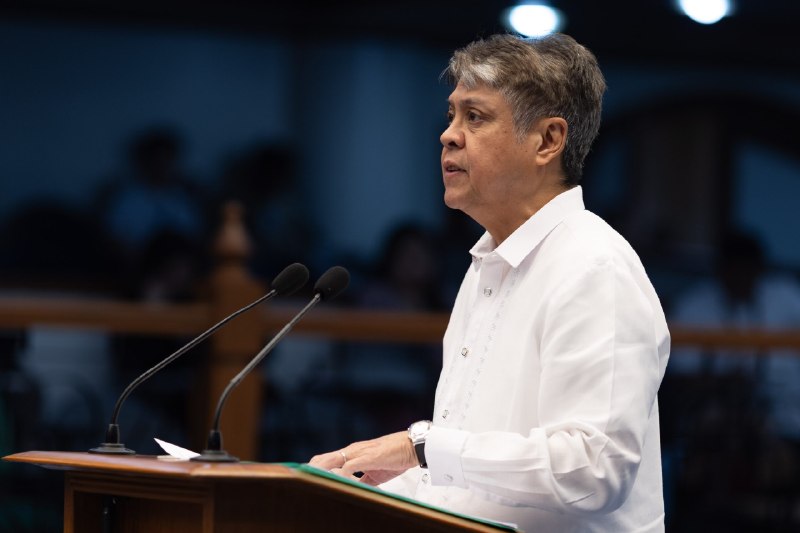
Senator Francis “Kiko” Pangilinan welcomed the enactment of Republic Act No. 12327, which institutionalizes an expanded basic education voucher assistance program, saying it will give more Filipino students access to quality education while helping ease overcrowding in public schools.
Pangilinan, one of the co-authors of Senate Bill No. 1981, the Senate’s consolidated measure that became the basis of the law, emphasized the importance of ensuring that government assistance reaches students and families who need it most, particularly those from low-income households and disadvantaged communities.
These include qualified students from 4Ps households, Indigenous Peoples communities, learners with disabilities, and those living in geographically isolated and disadvantaged areas (GIDAs).
He explained that the expanded voucher program would allow qualified students in congested or near-congested public schools to access available slots in participating private schools, giving them additional options for pursuing their education while helping reduce the number of students competing for limited classroom space in public schools.
“Hindi dapat maging hadlang ang kahirapan o kakulangan ng silid-aralan para makapag-aral nang maayos ang isang bata. Sa batas na ito, mas mabibigyan natin ng pagkakataon ang mga kwalipikadong mag-aaral na makapasok sa mga paaralang may available na classroom spaces, habang nababawasan din ang siksikan sa ating mga pampublikong paaralan,” Pangilinan said.
He stressed, however, that the voucher program must complement, and never replace, the government’s responsibility to invest in public education, particularly in building more classrooms, improving school facilities, and ensuring that public schools have the resources they need.
“Hindi ito kapalit ng obligasyon ng gobyerno na magtayo ng mas maraming silid-aralan at pagbutihin ang ating mga pampublikong paaralan. Kailangan nating gawin ang pareho. Habang patuloy nating tinutugunan ang classroom shortage, dapat din nating mapakinabangan ang mga available na pasilidad at kapasidad ng mga pribadong paaralan upang mas maraming bata ang makapag-aral,” he said.
Pangilinan also underscored the long-term importance of investing in education, particularly in developing the next generation of Filipino farmers, agripreneurs, agricultural scientists, and researchers who will help strengthen the country’s food security.
He pointed out that access to quality education can open opportunities for young Filipinos to pursue careers and innovations in agriculture, a sector that needs a new generation of skilled, knowledgeable, and empowered people to sustain food production and support the country’s farmers and fisherfolk.
“Ang edukasyon ay hindi lamang puhunan para sa kinabukasan ng isang bata. Puhunan din ito para sa kinabukasan ng ating bansa. Kailangan natin ng susunod na henerasyon ng mga magsasaka, agripreneurs, agricultural scientists, at researchers na magpapatatag sa ating sektor ng agrikultura at seguridad sa pagkain,” he said.
“Dapat abot-kamay at praktikal ang dekalidad na edukasyon. Walang batang Pilipino ang dapat mapagkaitan nito dahil lamang sa kahirapan. Karapatan ito na dapat nating pangalagaan at ipaglaban,” Pangilinan added.
He called for the effective and equitable implementation of the law to ensure that its benefits reach the intended students and communities.
“Patuloy nating isusulong ang mga polisiyang nagbibigay ng patas na pagkakataon sa bawat batang Pilipino. Walang mag-aaral ang dapat maiwan,” he said.