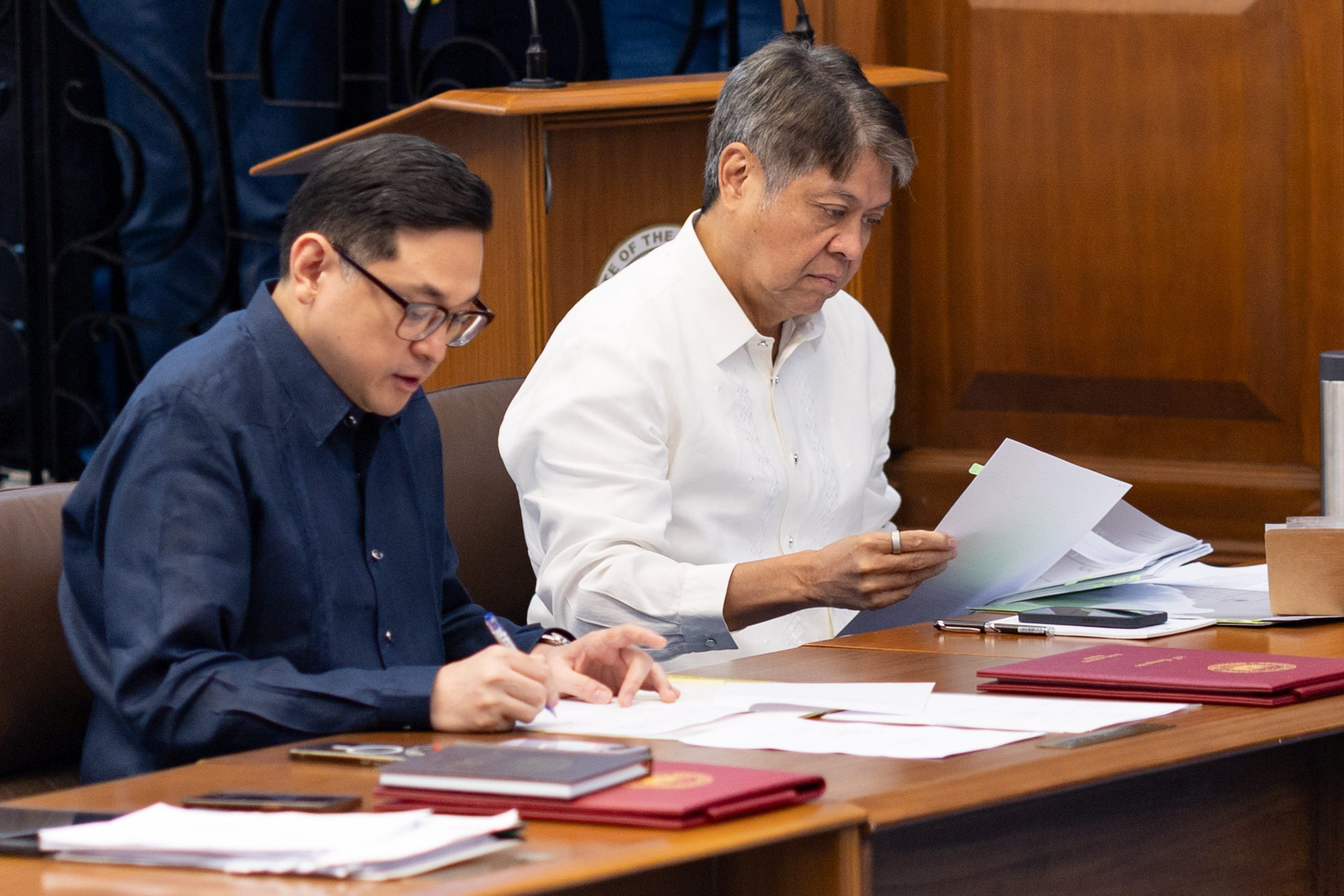
Senator Francis “Kiko” Pangilinan has filed measures to establish public elementary and secondary schools in Barangay Tumana, Marikina City, to improve access to quality education and address the growing needs of students and families in the community.
Senate Bill Nos. 2277 and 2278, filed on June 17, aim to establish a public elementary school and a public high school in Tumana, providing residents with greater access to educational opportunities closer to their homes.
In the bills’ explanatory notes, the four-term lawmaker lamented the lack of national public schools in Barangay Tumana, Marikina City, noting that students commute to schools in neighboring barangays, incurring additional transportation costs and prolonged travel times.
“Dagdag na gastusin pa sa mga pamilya ang pamasaheng kailangang ilaan para makapag-aral ang kanilang mga anak. Karapatan ng bawat Pilipino ang makapag-aral dahil ito rin ang tatapos sa kahirapang dinaranas ng bawat pamilyang Pilipino,” Pangilinan said.
“Establishing public schools in Barangay Tumana will bring basic and secondary education closer to the community and help ensure that no child is left behind,” he added.
With nearly 50,000 residents, Barangay Tumana is one of Marikina City’s most densely populated and largest barangays. It is also the only barangay in the city without its own public elementary and secondary school.
Not only will establishing public schools in the barangay make academic opportunities possible, but it will also free families from financial burdens and promote direct investments in human capital and social mobility.
The funding for the schools’ operationalization, as stated in the proposals, must be included in the Department of Education’s (DepEd) program under the annual General Appropriations Act.
Through the bills, Pangilinan reaffirmed his commitment to advancing measures that strengthen the country’s education system and expand opportunities for Filipino learners.
The proposed legislation forms part of the senator’s broader advocacy to improve access to quality public education and promote inclusive development in communities across the country.