Senator Francis “Kiko” Pangilinan is pushing measures to make formal credit more accessible to small-scale fisherfolk, saying financial support must reach those who help keep food on Filipino tables and are vital to the country’s food security.
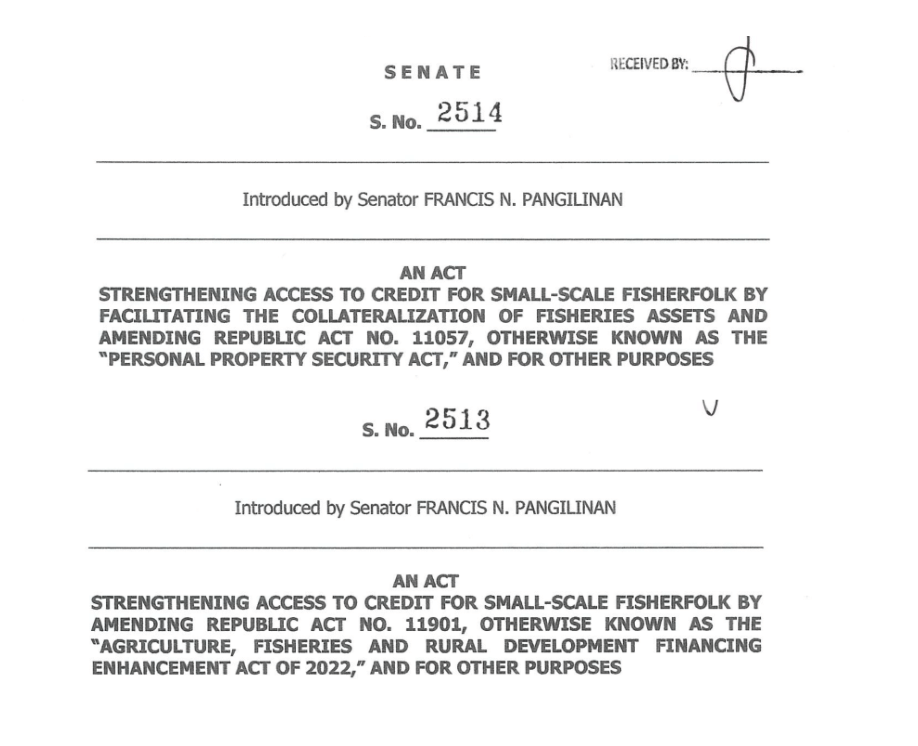
The senator filed Senate Bill Nos. 2513 and 2514 on September 29 to address the long-standing credit barriers that small-scale fishers face.
SB 2513, or the “Fisherfolk Credit Empowerment through RA No. 11901 Amendment Act” will amend the “Agriculture, Fisheries, and Rural Development Financing Enhancement Act of 2022,“ while SB 2514, or the “Fisheries Asset Collateralization Act,” will amend Republic Act No. 11057, or the “Personal Property Security Act.”
The measures recognize the need for a financing system that reflects the realities of small-scale fishing, where fisherfolk often lack conventional collateral and face income uncertainties from weather conditions, fluctuating fish catch, fuel costs, and other risks tied to their livelihood.
Pangilinan lamented that limited access to credit can force fisherfolk to rely on informal lenders, leaving them vulnerable to high interest rates and debt.
“Ang pinakamagandang paraan para mapakita natin ang pagpapahalaga natin sa ating mga mangingisda ay bigyan sila ng patas at abot-kayang access sa puhunan,” the senator and chair of the Senate Committee on Agriculture, Food, and Agrarian Reform said.
Under SB 2514, the small-scale fishers’ “movable assets,” such as boats, fishing gear, cold storage, receivables from fish sales, and future catch, can be eligible for registration and can be used as collateral for loans.
SB 2513, meanwhile, seeks to ensure that at least 10% of the 25% credit quota that banks are required under RA 11901 to allocate from their total loanable funds for agriculture and fisheries financing will be earmarked exclusively for fisheries and aquaculture-related projects. At least half of this allocation must be made available to small-scale fisherfolk.
According to the measure, this ensures that at least 2.5% of a bank’s total loanable funds support fisheries and aquaculture, and at least 1.25% support small-scale fishers.
Improving small-scale fisherfolk’s credit access is not simply a livelihood intervention, but an investment in the country’s domestic food production and food security.
“Kapag hindi natutulungang makautang ang mga mangingisda para magkaroon sila ng kapasidad na makahuli ng mas madami, apektado ang supply ng isda. At kapag ganyan ang nangyayari, tataas na naman ang presyo sa merkado at mas kakaunti na naman ang kakayaning bilhin ng ating mga mamimili,” Pangilinan said.
The senator noted that small-scale fisherfolk make up a critical part of the country’s fisheries sector, yet many still struggle to access formal financing and the productive resources they need to sustain their livelihoods.
He stressed that credit programs must allow fisherfolk to invest in better fishing equipment, boat repairs and improvements, post-harvest facilities, cold storage, aquaculture, and other livelihood activities that can increase productivity and incomes while promoting sustainable fisheries.
“Para maging food-secure ang Pilipinas, kailangang palakasin natin ang mga taong mismong gumagawa at nagbibigay ng pagkain—ang mga magsasaka at mga mangingisda. Kapag sila ay may sapat na suporta mula sa gobyerno, tiyak na kaya nilang paramihin ang kanilang mga huli at palakasin ang ating food supply,” he added.